The Significance of Lavender
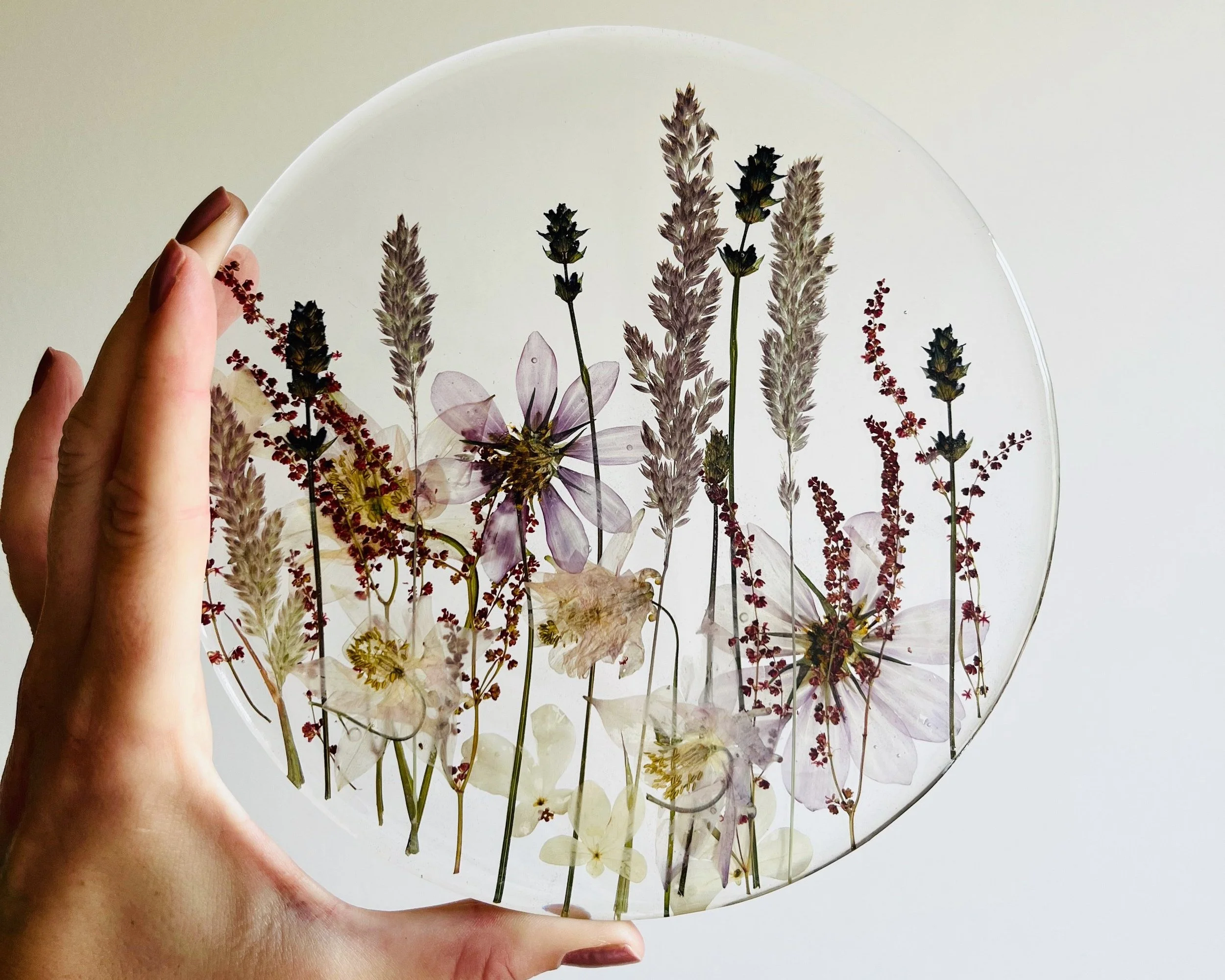
Lavender can be the Marmite of the flower-world; some love it, some hate it, owning to it’s potent smell. However you feel about lavender, we can’t deny it has captivated us for centuries. This ancient flower has been used for medicinal, culinary and cosmetic purposes, and it looks delightful pressed too!
The origin of its name
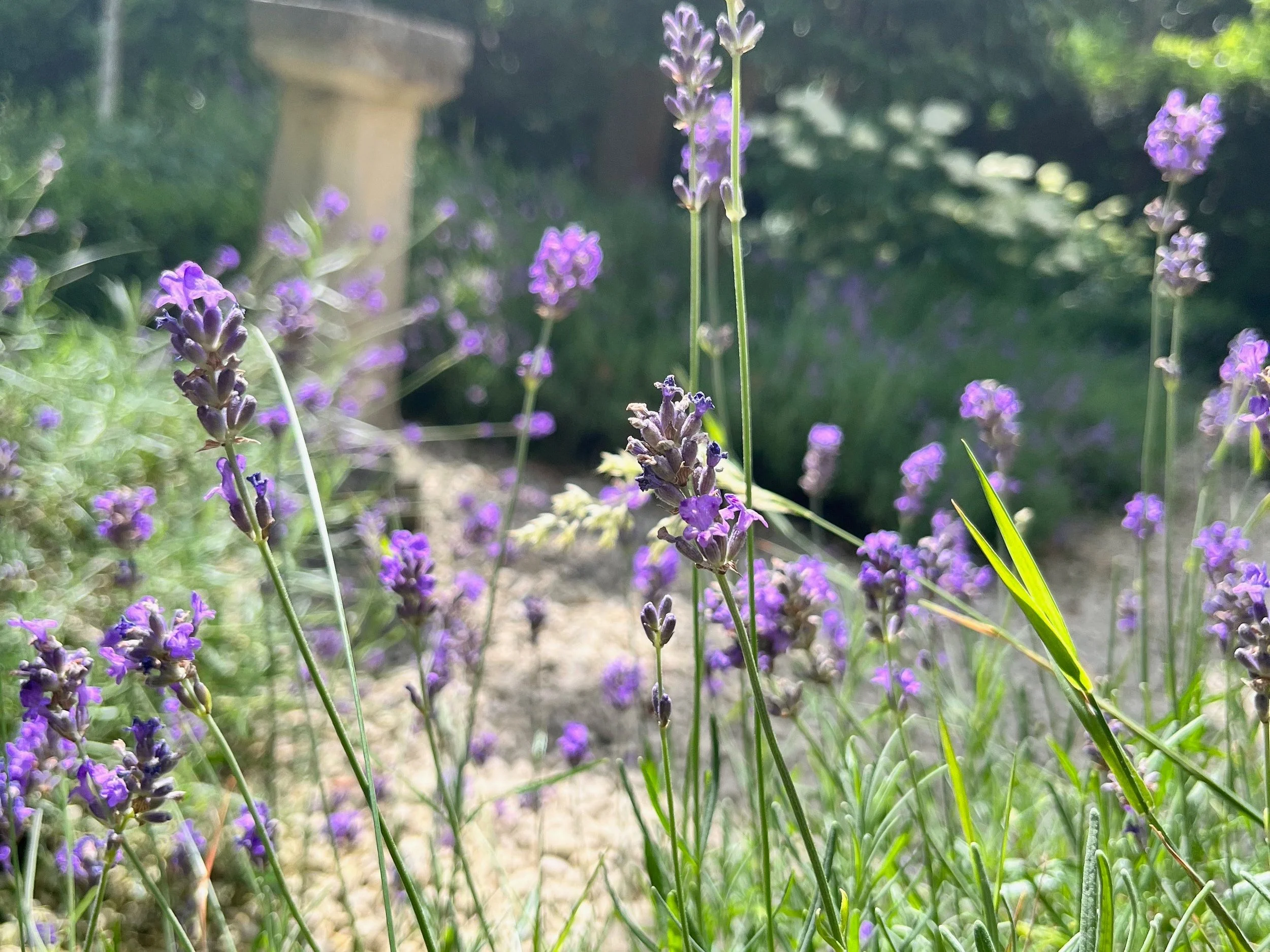
Indigenous to the Mediterranean and Middle East and part of the mint family, it’s thought the name ‘lavender’ comes from the Latin ‘lavare’ to wash. Though there’s some debate on this. Others believe its name originated from the Latin for livid or bluish: ‘livendula’ or ‘livendulo’. Whether its name originated from its use or its appearance, one thing’s for certain: it has been utilised for our own purposes for many years.
The history of lavender
The use of lavender dates back to the Egyptian times where it was used for the purpose of mummification and cosmetics, such as perfumes. It’s no wonder considering its glorious smell and the possible lack of sanitation and hygiene during these times. Flash forward to 1665 and the Great Plague, a time when people believed unpleasant smells could spread disease; lavender, alongside other herbs, was used in the beak-like masks of doctors to ward off the plague. It was believed it could protect people from the plague and was often tied to the wrist.
Not only did people believe it could ward off the plague during the 17th Century, they also believed it could treat symptoms of the plague. Lavender has been used medicinally for centuries, including by the Romans who introduced it to the UK. They used lavender to treat wounds, repel insects, for insomnia and headaches, to cook with and to wash themselves with.
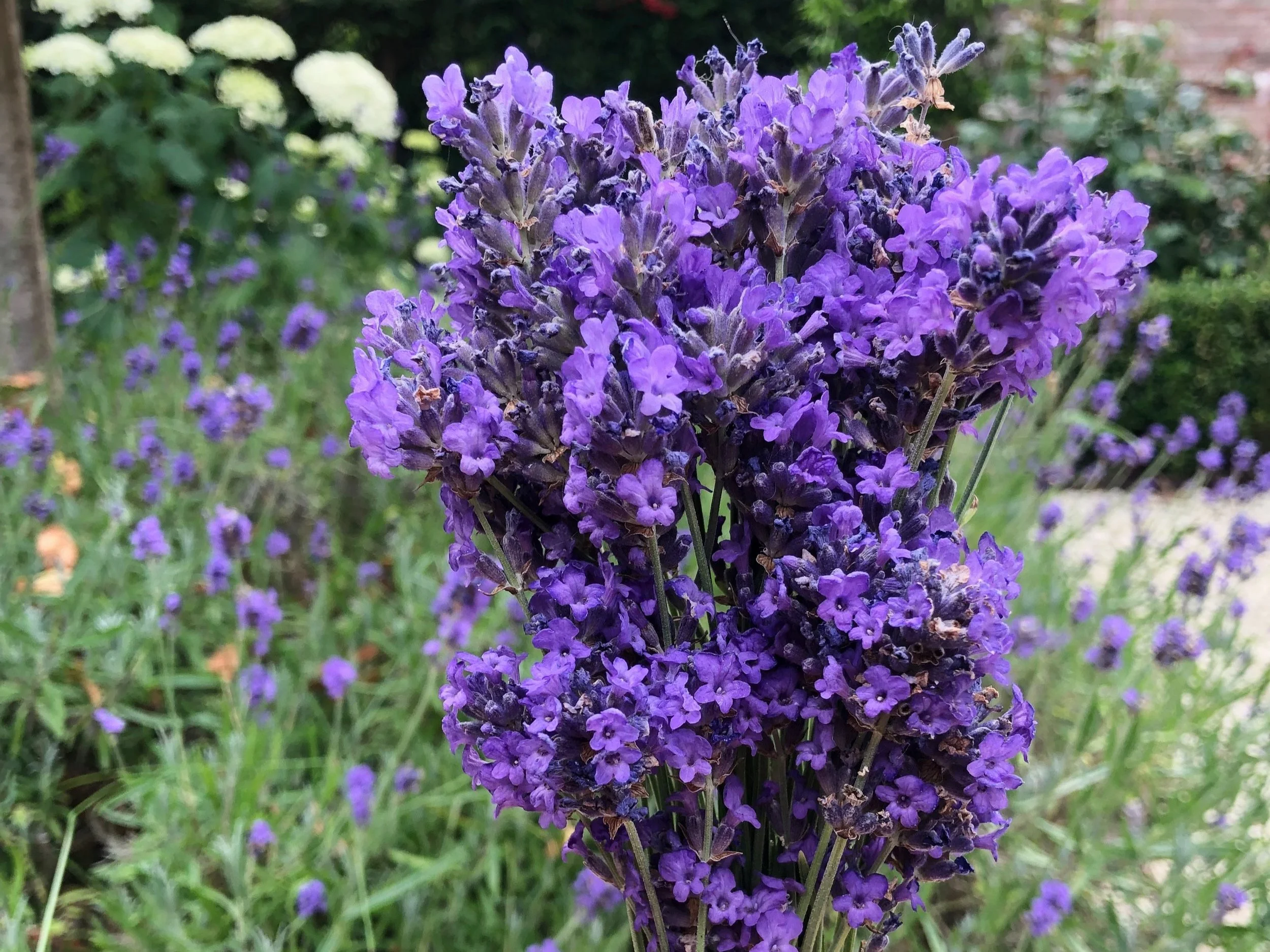
Lavender has also been used to fumigate and spread in sickrooms as a disinfectant and deodorant. Today many modern households continue to use lavender for its sweet smell to perfume the home. In Medieval and Renaissance Europe, washerwomen were often known as ‘Lavenders’ because they would spread the laundry on bushes of lavender to dry, infusing the clothes with its smell.
Not only is lavender attributed to cosmetic, medicinal and culinary purposes, its also been used as a spiritual aid and known as the Herb of Love. Cleopatra purportedly used it to seduce Mark Antony. Furthermore, in Tudor times it was brewed on St Luke’s day, when maidens would take it to identify their true love. It’s also been used beneath the beds of newly weds since the Roman times to ignite passion. It’s no wonder the Victorians attributed it to love, devotion and loyalty in their Floriography. However, it could also mean ‘Distrust’ and ‘Failure’ (James McCabe, (2003) The Language and Sentiment of Flowers, Applewood Books).
However, the plant has also long been associated with protection not just from diseases but also unwelcome spirits, when it would be hung in doorways to ward off evil spirits. It’s also believed to have magical properties, helping people to divine their true love.
How to press lavender
Lavender is a very simple flower to press and preserve. It’s not a very moisture-rich flower, so it dries relatively quickly.
When to pick for pressing:
Despite this, you do need to pick lavender when it is in its prime. When the small, purple calyx (buds) are newly formed, they can often be quite bunched up and darker in colour on the whorl (collection of buds). However, as they begin to stretch open, often the petals of the flowers (corolla) will emerge and the purple colour will be more vivid. If they are too old, the calyx begin to come loose from the stem and they can easily disintegrate in your press. Catch them in their prime! You can even press each of the miniature flowers produced on English Lavender if you’re looking for tiny flowers.

Equipment to press
You can use a traditional flower press to press lavender, or a book (see the blog ‘Pressing in Books’ for more on this). Use copy paper or blotting paper to press lavender and apply gentle pressure against the flowers. If you’re pressing in a warm, dry environment, your lavender can be pressed in as little as a week. For more humid environments, it may take longer.
Many pressers like to use a microwavable press to press lavender, however this can cause some of the larger flowers, such as Spanish/French lavender to go mushy, or much drier varieties to burn. Follow the manufacturer’s instructions, and I’d recommend continuing pressing the lavender after using the microwavable press in a traditional press or book for a few days. One thing’s for sure, your microwave will smell beautiful after lavender’s been in there!
Checking on lavender
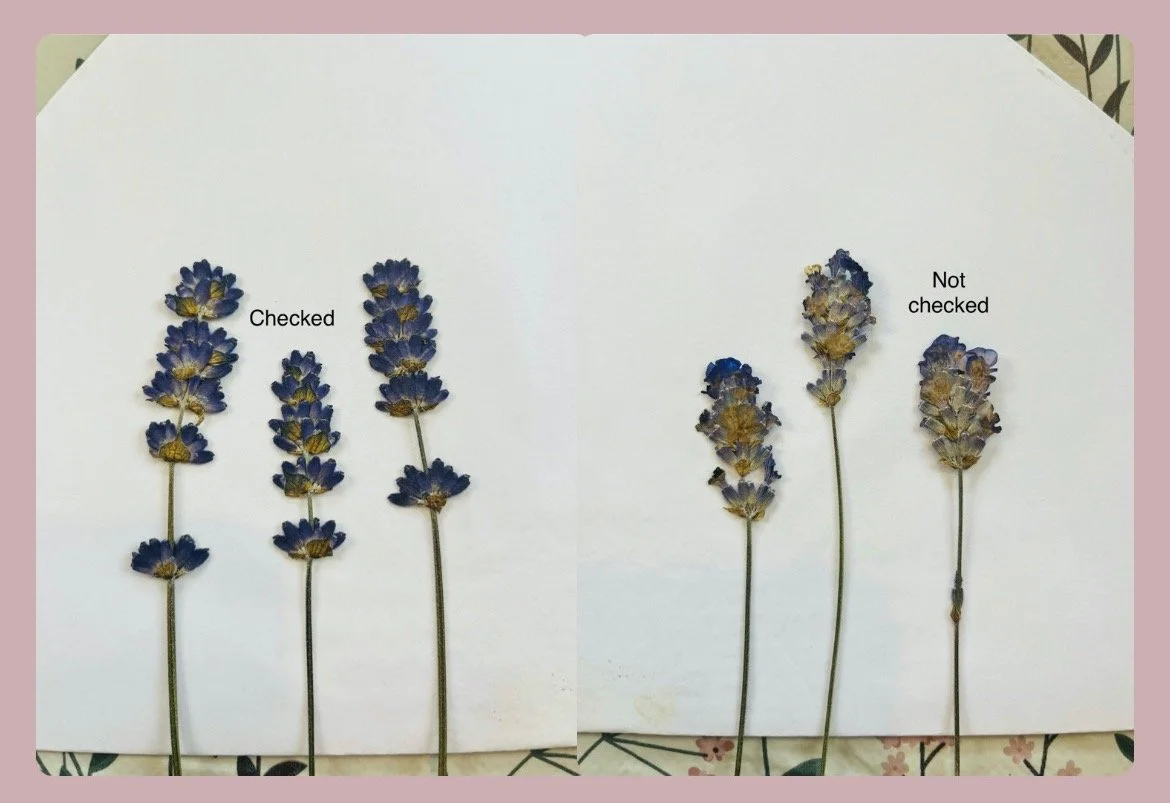
Press lavender flowers with level pressure against them, gently encouraging them (especially in the first few days) to flatten out. It’s important to check on them and change out papers though- lavender darkens as it presses and will easily turn brown if its sat next to moisture for too long.
How to tell when it’s fully pressed
It feels dry and almost crisp to the touch (run it along your top lip to check how dry it feels- it’s a much more sensitive area)
It holds its shape, is rigid and doesn’t flop over
Press your fingernail into the stem. If it doesn’t leave much of an impression then it’s a good sign it’s dry
If you’ve enjoyed this blog, you can support my work here - thank you!