

Choosing Flowers for your Press
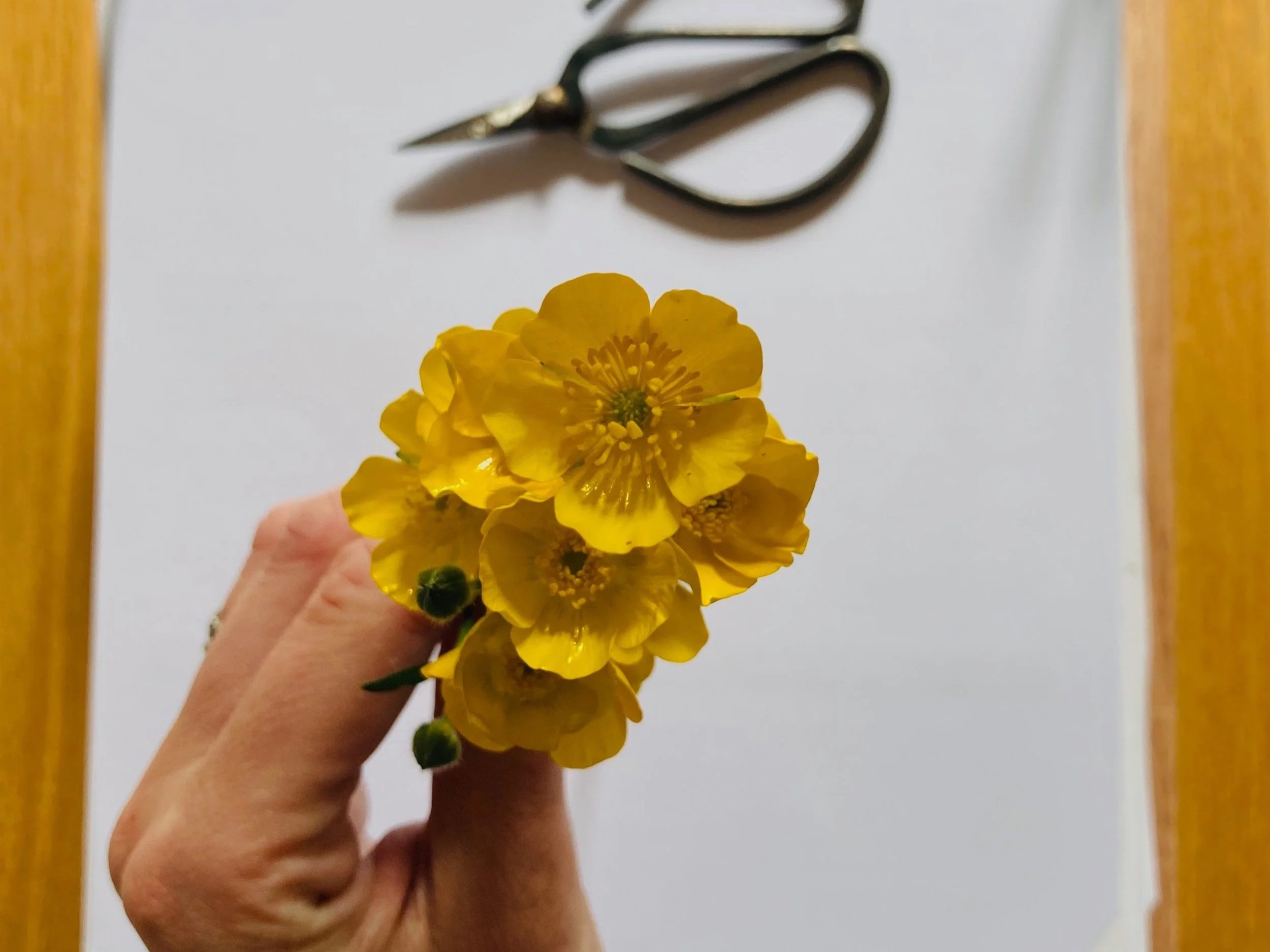
As the Spring approaches, you may be thinking about finally filling your presses that have lain dormant over the colder months (I know I am!). Hellebore, crocuses, Iris and Snowdrops are the current jewels of my garden. But what if you source your flowers by foraging?
When it comes to sourcing flowers for your press, there’s always a few things to bear in mind first:
Foraging for Flowers
If, like me, you love to collect flowers whilst out walking, it’s important to follow a few rules. The Botanical Society of Britain and Ireland (BSBI) have useful information and a free guide on the code of conduct for collecting flowers responsibly. Legally, you shouldn’t uproot a whole plant, or take flowers from a Conservation Site, Reserve, or where they have been purposefully cultivated. If you’re unsure, leave them! Wildflowers are an essential part of our ecosystems, so be mindful of how much you take too. It’s always a good idea to check before you pick.
Cornflowers, red campion, clover, cow parsley and primroses are all wonderful wildflowers to press. Try not to overlook grasses too; meadow foxtail, Yorkshire fog and rye-grass are all beautiful additions to your flower press and can add texture to compositions if you’re using your flowers for art.
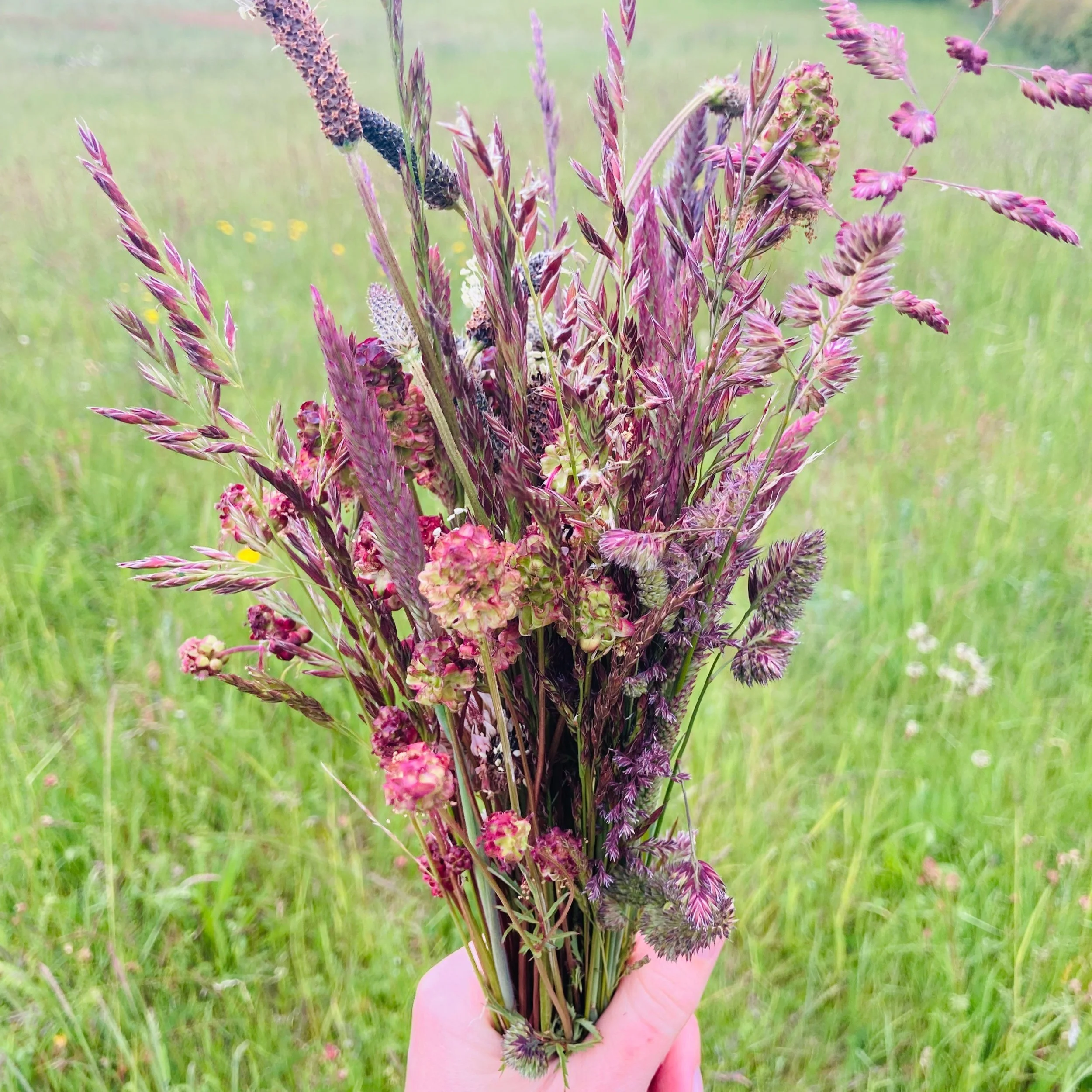
Don’t overlook grasses! They can be just as beautiful to press. Look out for meadow foxtail, Yorkshire fog and rye-grass.
Growing your own
No matter how big or small the space available to you, growing your own flowers is incredibly rewarding, and pressing them means you get to prolong your enjoyment of them!
Daisies and buttercups are a great flower for beginners and grow in abundance both wild and within gardens: they retain their shape and colours very well in the press.
Other flowers, especially for beginner pressers, are zinnia, cosmos (though some can grow quite tall and bushy), violas and pansies, geraniums, delphiniums, hydrangea and Larkspur.
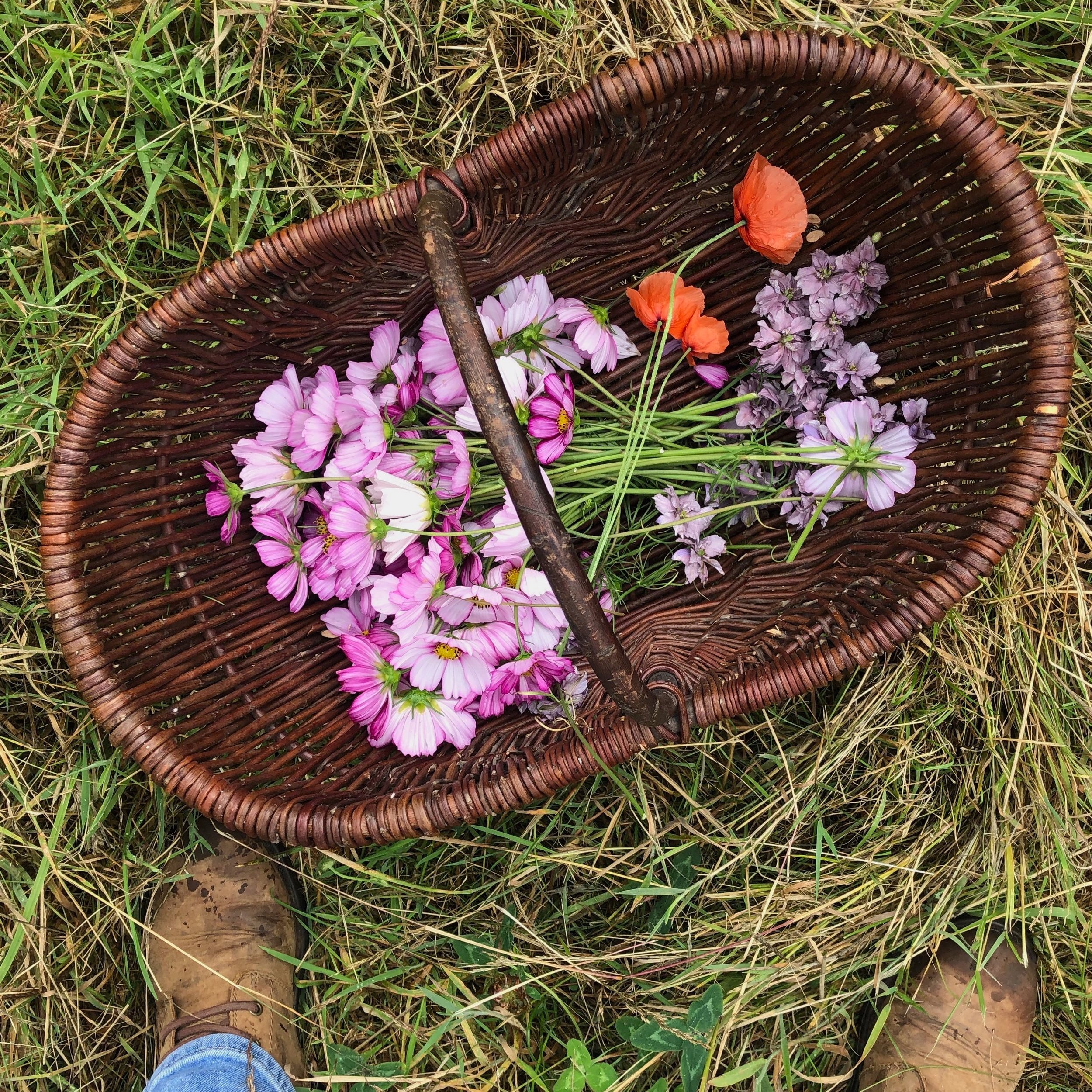
No matter how big or small the space available to you, growing your own flowers for pressing is incredibly rewarding; and pressing them means you can prolong your enjoyment of them!
Preparing flowers for the press
To achieve the best results from your pressing, try to pick flowers on a dry day, after the morning dew has evaporated. Wet or damp flowers will create mould in your press, which you’ll most certainly want to avoid! If you can’t avoid the damp (it’s difficult here in the UK where it rains a lot!) then dry your flowers out before putting them in the press. You can use kitchen towel for this, or trim the bottom of their stems at an angle and pop them in a jar/yoghurt pot or vase of water for a few hours. TIP: It’s good practice to leave the stems when you pick as it’ll feed the flower before you’re able to get them in the press!
Catch flowers in their prime, when they’re newly bloomed; this way you’re more likely to retain their vibrancy and colour. Avoid flowers with blemishes, bruises or damage, which will only become more pronounced as you dry them in your press.
If you can’t get your flowers into the press immediately, then use a ziplock or plastic bag to store them in until you can.
If you’ve enjoyed this blog, you can support my work here - thank you!
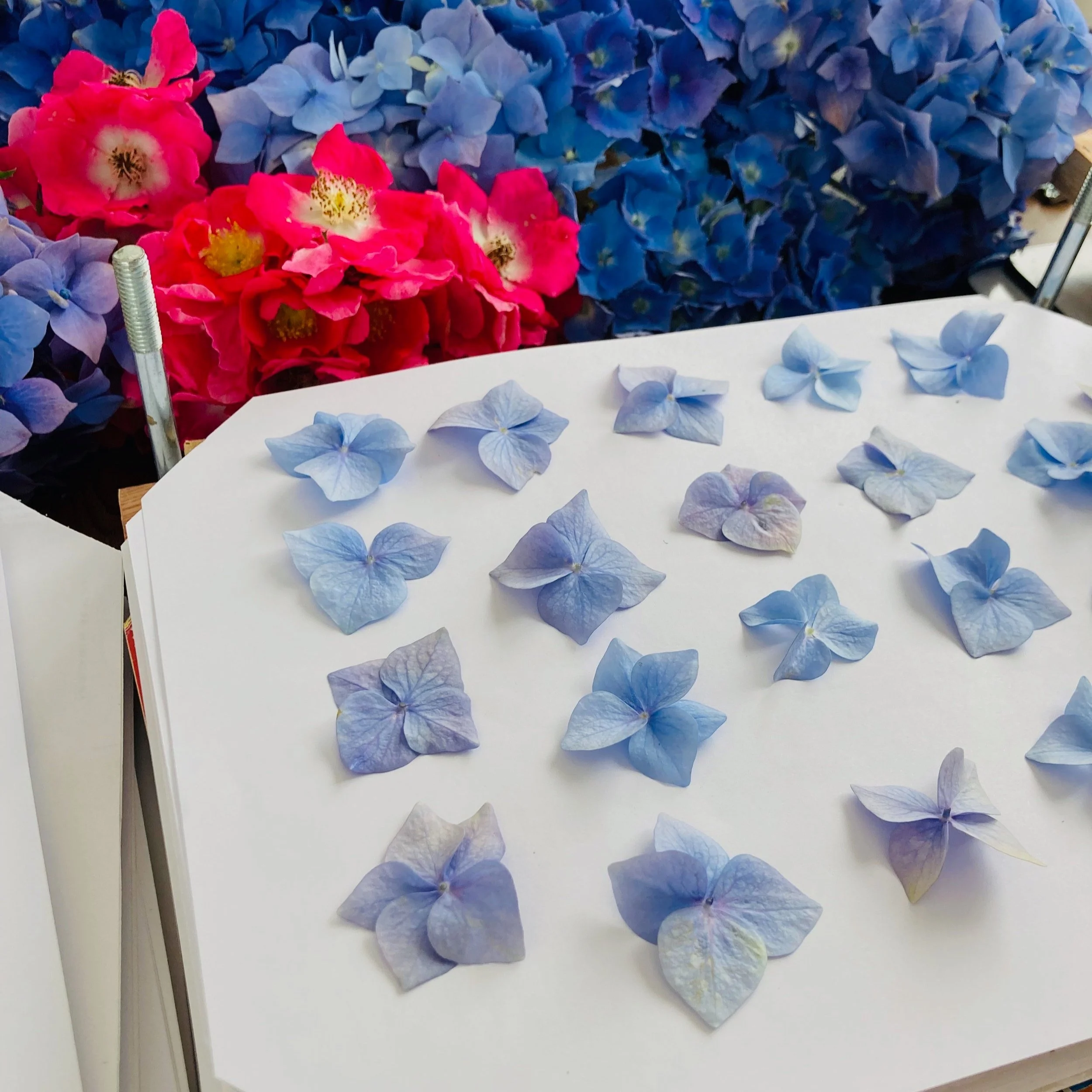
Flower pressing is a beautiful art and is accessible to all. My four-year-old son is regularly involved in the process and it certainly gets us out and about! During a time when mental health is at the forefront of our minds too, pressing flowers is a great pastime to unwind, slow down and appreciate the finer details in nature.
Looking to Learn More?
To learn more about how to press flowers, explore our flower pressing courses and guide books.
For more insights, behind-the-scenes, tips and advice, why not subscribe to the Little Pressed Flower Instagram or Newsletter.
